

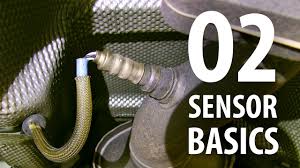


One of the vital parts within a car is the oxygen sensor, also known as the O2 sensor. Generally speaking, an oxygen sensor is a device that measures the proportion of oxygen in a gas or liquid. In the case of cars, the oxygen sensor is part of the emissions control system, and it helps not only to keep your car running as efficiently as possible, but also helps to reduce emissions that your car is giving off. When a car gets its carbon emissions inspection, a faulty O2 sensor will result in a failed test. However, because of its location in the vehicle, it is fairly common for things like oil and coolant to build up over these sensors, and that can cause the oxygen sensor to malfunction.
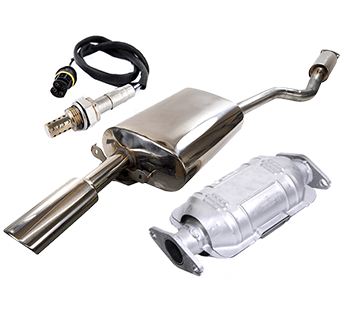
The number of O2 sensors in a car depends on the make, model, and year of the car. In most cars, there is one O2 sensor is located in front of the catalytic converter and one in each exhaust manifold. When a sensor is blocked or otherwise not working, it will trigger the “check engine” light, and it might also result in a heater circuit malfunction. When either of these things happens, it means that the car either has an excessive amount of emissions, or the O2 sensor is not working. When the O2 sensor fails, that means it cannot determine the air to fuel ratio. This causes the vehicle to use through gasoline more quickly, and ultimately results in extra air pollution and an inefficiently running vehicle. Although the typical fix for a faulty O2 sensor is to replace it with a new one, you can save some money and improve performance by cleaning the sensors.

Gather Your Supplies and Prepare for the Job
It is fairly common for oil and coolants to clog up an oxygen sensor over time. Just because an O2 sensor has unwanted contaminants, however, does not mean it is time to replace the sensor altogether. To clean out an oxygen sensor, you need to gather some supplies. These supplies are not difficult to find, but you need them on hand if you are going to be successful at cleaning your sensors.
Items You Need to Clean Your Oxygen Sensors. |
Description of Item |
|
Make sure you are protecting yourself throughout this entire process. These safety supplies should not even be an option. |
|
| You cannot remove the oxygen sensors without lifting the car up from the ground. It is important that you use the jack safely, as you don’t want the vehicle falling back. | |
|
You also need to gather up some chemicals to use. For this, you need a can of WD-40 and enough gasoline / petrol to clean (Fuel Can) |
|
|
Generally the only tool you need is an auto wrench to remove the oxygen sensors. |
|
|
You need to fill this container with gasoline/ petrol as well as the oxygen sensors, so make sure it is tough enough and large enough. This container should also have a tight lid. |
Once you have gathered your supplies, take your vehicle to an open space, where there is no clutter. A garage, parking lot, or driveway can be perfect for this type of work, but you need to leave the vehicle there for several hours, so choose your work space with this in mind. Also, choose an area that has good ventilation. If you are in a garage, that means opening the garage door fully before beginning any work.
Removing the Oxygen Sensors
Now that you have prepared yourself for safety and prepared the area, it is time to get your car up on the Car Jack. Because your body is underneath the car, you want to be totally sure that the car is secure when it goes up on the Car Jack. Safety should always be your top priority when doing any type of work on a vehicle. At this point, put on your Safety Glasses as well as your Work Gloves. You need to slide under the vehicle and find the oxygen sensors. Cars have different numbers of O2 sensors depending on the year, make, and model. Check the owner’s manual for the exact locations. At the very least, one is in front of the catalytic converter and one in each exhaust manifold.
Once you have located these sensors, spray them liberally with the WD-40 and let them set for about 10 to15 minutes. During this time, the WD-40 works to loosen the sensors as well as lubricate them. This makes the sensors easier to remove. After this time, take your wrench and remove both sets of sensors. If they are difficult to remove, spraying some more WD-40 may work to help remove them.
Soaking the Sensors
When you have removed both oxygen sensors, you need to prep the container. Remember, this container needs to be large enough to hold gasoline / petrol as well as the sensors. It also must be a container that can accommodate gasoline without breaking down.
Fill the container with gasoline / Petrol, and completely submerge the oxygen sensors into the gasoline / Petrol. Make sure you are still wearing your gloves, as you don’t want to get gasoline / Petrol on your hands. Once the sensors are in the gasoline / Petrol, put the lid on and swirl the container around. You need to do this in order to ensure that the gasoline / Petrol is getting into all of the parts of the sensors.
You now need to leave the oxygen sensors overnight in the gasoline / Petrol. Store the container in a cool area. This gives the gasoline / Petrol ample time to do the work it needs to do.
Reinstalling the Clean Oxygen Sensors
The next day, pick up the container and again, agitate it. This helps all of the sludge and gunk that has come off the sensors fall away. Open the container and take the sensors out of the gasoline / petrol. Again, make sure you are wearing gloves for this; thick rubber gloves are preferable. You should notice a big difference in the appearance of your O2 sensors.
Use paper towels to remove the excess gasoline / petrol and to dry the sensors thoroughly. Once the sensors are completely dry, they can be put back into the vehicle with the wrench. Before operating the vehicle, be sure that the sensors are in the right spot and that they are installed correctly. This is all it should take to clean the oxygen sensors and to get your vehicle running more smoothly and efficiently. If it doesn’t, you may simply need to purchase new oxygen sensors and install them.
Buying New Oxygen Sensors on eBay
If you need to buy a new oxygen sensor, even for an old car, or buy supplies to help you clean your oxygen sensor, eBay is a great choice. You find that buying oxygen sensors on eBay is extremely convenient and it can definitely help to save you money on car repairs. Before you buy anything on eBay, however, it is important that you keep a few things in mind. For example, you want to check that you are buying an oxygen sensor that is right for the make and model of your car. In most cases, you can find this in the eBay motors area of the site or by going to the eBay home page and searching from there.
Once you have narrowed down the right sensor for your make and model, take a look at the seller’s information. Specifically look at their feedback score and their positive feedback percentage. These numbers are significant. The feedback score shows you how many people have commented on their sales interaction with this seller, while the feedback percentage tells you how many people have given positive comments out of the total comments. While all eBay purchases are covered by eBay’s protection plan, buyers can be sure to have a great shopping experience every time they purchase auto parts and tools online.



























 Car Corners